
About Sníne Elementary
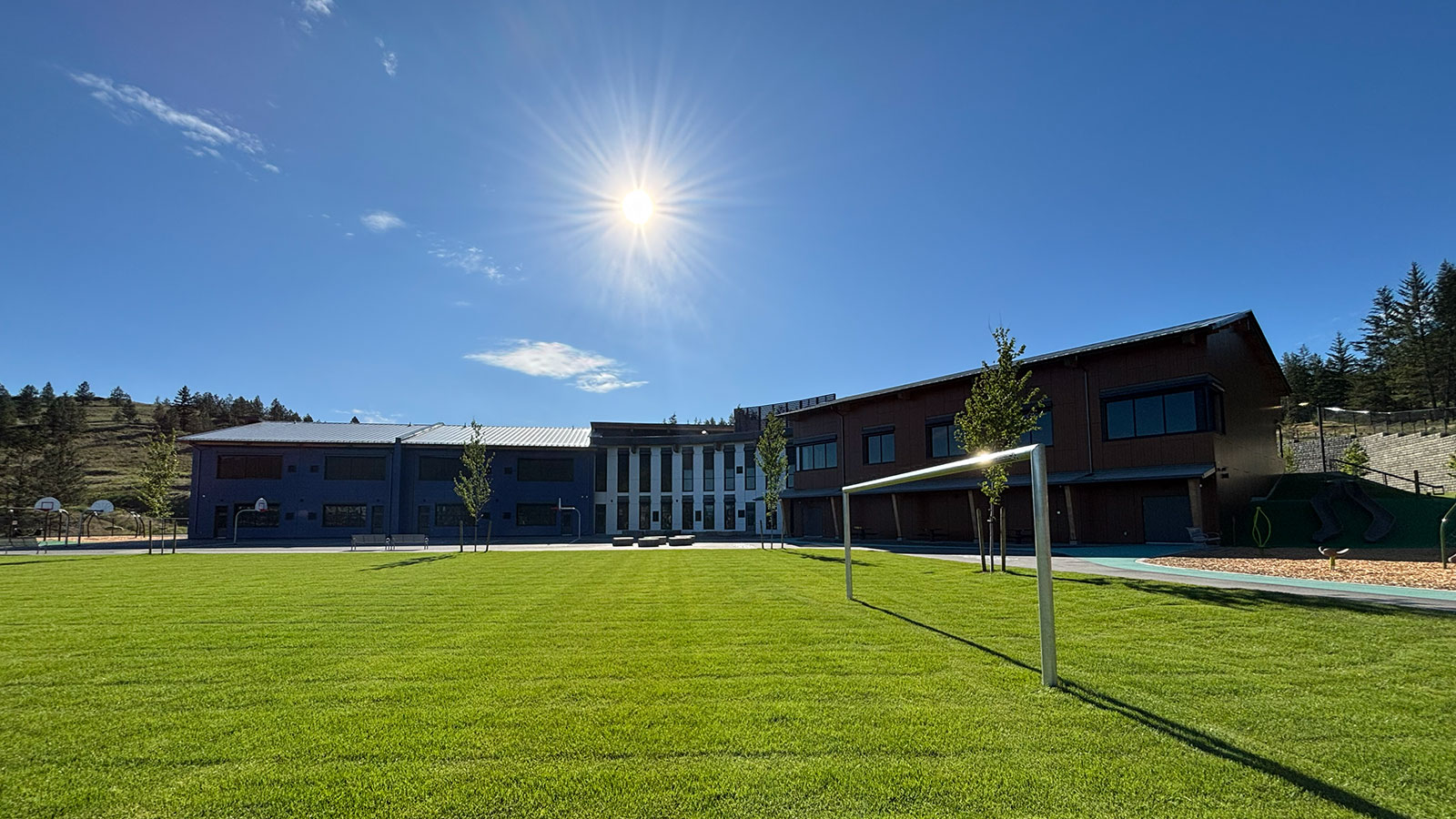
Welcome to Sníne Elementary, the newest Kindergarten to Grade 7 school in the Kamloops-Thompson School District, opening in September 2026 in the growing Pineview Valley community.
The Meaning of Sníne
Sníne (pronounced Sneena) is the Secwépemc word for owl and symbolizes strength, wisdom, and guidance. In Secwépemc teachings, Owl is known as both a messenger and a teacher of children.
As the first school in the Kamloops-Thompson School District to be given a Secwepemctsín name, Sníne Elementary reflects the District's commitment to Truth and Reconciliation and to creating learning environments where every learner can thrive.
Sníne Sentinels
Sníne Elementary is home to the Sníne Sentinels. The school logo was designed by local Secwépemc artist, Kel-c Jules.
This logo was created to reflect leadership, knowledge, and connection to culture. The design is inspired by the Secwépemc story of Owl and Boy, a legend that teaches important values about wisdom, guidance, and responsibility. In our teachings, Owl is a powerful leader who sees clearly, protects others, and helps guide people through challenges. By incorporating Owl, Sage, and the iconic Tk'emlups Mountains into this logo, I wanted to represent strength, learning, and the leadership that will inspire students at the new Sníne Elementary School. This design honors Secwépemc culture while looking toward the future and the growth of the next generation.
- Kel-c Jules, Secwépemc Artist
The Road to Opening Sníne Elementary
The vision for Sníne Elementary began more than a decade ago as population growth in southwest Kamloops created increasing capacity and enrollment at nearby elementary schools. Supported by $65.3 million in provincial funding, construction officially began in June 2024. Learn more about the capital advocacy and community engagement that helped bring Sníne Elementary to life here.
Located near Python Lake and surrounded by natural landscapes, the school has been thoughtfully designed to connect students to the outdoors and provide opportunities for land-based learning, environmental exploration, and outdoor education.